
On most Los Angeles projects, the mechanical, electrical, and plumbing engineering is invisible until it goes wrong. Then it becomes the most visible thing on the job: a plan-check correction that stalls your permit, a Title 24 form that won’t reconcile, an electrical room that doesn’t fit the space the architect drew, or a change order that lands the week you were supposed to break ground. Choosing the wrong MEP engineering firm in Los Angeles rarely announces itself at kickoff. It shows up later, in schedule slip, blown budget, and the kind of permit delays that ripple through financing and lease-up.
For developers, owners, architects, and general contractors, the MEP engineer is one of the highest-leverage consultants on the team. Get it right and the systems disappear into a building that simply works, passes plan check cleanly, and hits its energy targets. Get it wrong and you spend the project fighting problems that a disciplined engineer would have designed out on day one. This guide walks through what MEP engineering actually covers, the criteria that separate a strong LA firm from a generic one, the code and permitting realities specific to Los Angeles, the exact questions to ask before you sign, and the red flags worth walking away from.
What MEP Engineering Covers, and Why It’s Critical
MEP engineering is the design of the systems that make a building habitable, code-compliant, and efficient. It is not a commodity deliverable bolted on at the end of design; it is a discipline that shapes floor-to-floor heights, shaft locations, electrical service size, and the operating cost the owner will carry for decades. On an LA project, the MEP engineer is also the consultant most directly responsible for getting you through Los Angeles plan check and permitting without avoidable corrections.
Mechanical (HVAC)
Heating, ventilation, and air conditioning, load calculations, equipment selection, ductwork and hydronic distribution, ventilation for code and indoor air quality, and increasingly heat-pump systems as California pushes toward electrification. Mechanical decisions drive ceiling space, roof loads, and a large share of energy use.
Electrical
Service and distribution sizing, panel and feeder design, lighting and lighting controls, power for mechanical equipment, emergency and life-safety power, and increasingly EV charging infrastructure and solar interconnection. Undersized or poorly coordinated electrical design is a common source of late redesign.
Plumbing
Domestic hot and cold water, sanitary and storm drainage, gas, and fixture design to code. Plumbing routing and slope requirements interact tightly with structure and with the mechanical and electrical systems sharing the same congested ceiling and shaft space.
Fire Protection and Solar/PV
Fire protection engineering, sprinkler and life-safety system design, is essential to occupancy and to a clean fire-department sign-off. Solar and photovoltaic (PV) design has moved from optional to expected, both for Title 24 compliance on many building types and for owners chasing lower operating costs. A firm that handles all of these disciplines in-house, as EGI does across Los Angeles, removes the coordination gaps that appear when systems are split across separate consultants.
How to Choose an MEP Engineer: The Criteria That Matter in LA
Every firm will tell you they’re responsive and experienced. The goal is to test those claims against criteria that actually predict performance on a Los Angeles project.
Local Code and LADBS Knowledge
Los Angeles is governed by the Los Angeles Department of Building and Safety (LADBS), which enforces the LA-amended building, mechanical, electrical, and plumbing codes on top of the state codes. Plan check in LA has its own rhythm, its own correction patterns, and its own documentation expectations. An engineer who works LADBS jobs constantly knows what triggers a correction before it’s issued, and that knowledge is worth more than any generic credential.
Title 24 Fluency
California’s Title 24, Part 6 energy standards update on a three-year cycle and grow more demanding each time, with a clear trajectory toward heat pumps and building electrification. Nonresidential projects live and die by the NRCC compliance documentation submitted with the plans; residential projects run on the CF1R/CF2R/CF3R forms. A firm fluent in Title 24 designs to the target from the start instead of discovering a compliance gap at plan check.
Coordination Discipline
The most expensive MEP problems are coordination problems: a duct, a pipe, and a conduit all fighting for the same six inches above a ceiling. Disciplined coordination with the architect and structural engineer, catching conflicts early on paper, prevents the field problems that generate change orders and RFIs.
Relevant Sector Experience
A multifamily podium, a senior-living community, a mixed-use ground floor, and a healthcare fit-out are different engineering problems. Ask whether the firm has done your building type in LA specifically. For projects touching healthcare, OSHPD/HCAI experience is not a nice-to-have, it is a prerequisite, and a firm without it will slow you down.
Responsiveness and Permit Track Record
The best engineers answer fast, flag risks early, and stay engaged through plan check and construction administration rather than disappearing after the drawings are stamped. Ask for a track record: how many projects have they carried through LADBS, and how did those permits go?
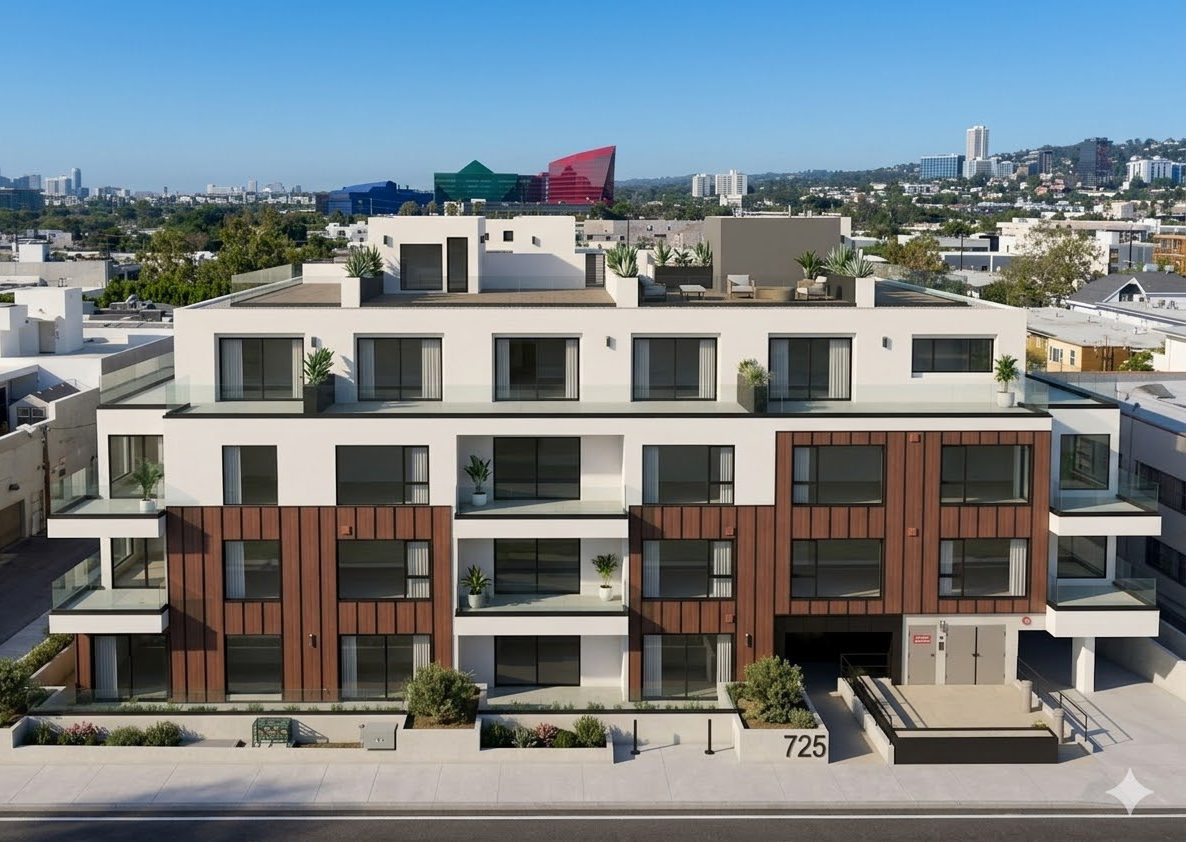
These aren’t abstract criteria. On The Alfred, a multifamily development in Los Angeles, coordinated mechanical, electrical, and plumbing design had to move through LADBS plan check while meeting current Title 24 requirements, the kind of project where local code fluency and tight coordination pay for themselves.
LA-Specific Challenges Your MEP Engineer Has to Handle
Los Angeles is not a generic market. Several conditions here shape MEP design in ways that trip up firms without local depth.
Seismic Design
Southern California is high-seismic territory, and MEP systems must be braced and anchored accordingly. Seismic bracing for ductwork, piping, conduit, and equipment is a code requirement, and it interacts with structural design. An engineer who treats seismic restraint as an afterthought creates both a compliance risk and a field-coordination headache.
Title 24 Energy Code
Beyond compliance paperwork, the energy code increasingly drives system selection, favoring heat-pump HVAC and heat-pump water heating, tighter envelope and controls requirements, and PV on many building types. A firm that understands where the code is heading designs buildings that comply today and don’t need to be redesigned when the next cycle lands.
LADBS Plan Check
LA’s plan-check process rewards complete, correctly documented submittals and punishes gaps. Missing or inconsistent Title 24 and CALGreen documentation, undersized electrical service, or uncoordinated drawings all generate corrections, and each correction cycle costs weeks. Engineers who know the reviewers’ expectations submit cleaner packages and clear plan check faster.
Dense Urban Sites and Building Electrification
Infill LA sites are tight, with constrained shafts, limited roof area, and neighbors on every side. Squeezing compliant, maintainable systems into that envelope takes experience. Layered on top is electrification: as gas gives way to all-electric buildings, electrical service sizing, equipment selection, and PV/EV readiness become central design decisions rather than late add-ons.
Questions to Ask a Prospective MEP Firm
Before you engage any firm, put these questions on the table. The answers, and how specific they are, tell you a great deal.
- How many projects have you taken through LADBS plan check, and what does your correction history typically look like?
- Have you engineered my specific building type, multifamily, senior living, mixed-use, healthcare, in Los Angeles?
- Which MEP disciplines do you handle in-house, and which do you subcontract?
- How do you approach Title 24 compliance and building electrification on a project like mine?
- If the project involves healthcare space, do you have OSHPD/HCAI experience?
- How do you coordinate with the architect and structural engineer to catch conflicts before they reach the field?
- Who is my day-to-day point of contact, and how quickly do you typically respond?
- Will you stay engaged through construction administration and plan-check back-and-forth, or does your scope end at the stamped set?
- Can you share references from LA owners or developers on comparable projects?
Red Flags to Avoid
A few warning signs reliably predict trouble. Watch for a firm that has little or no LADBS-specific experience and leans on out-of-market projects to make its case. Be wary of vague answers about Title 24, if a firm can’t talk fluently about compliance paths and electrification, expect surprises at plan check. Fragmented delivery is another risk: when mechanical, electrical, and plumbing are scattered across separate subconsultants with no one owning coordination, the gaps become your problem in the field.
Other red flags include slow or evasive communication during the proposal stage, it rarely improves after you sign, a firm that disappears once drawings are stamped rather than supporting construction administration, and any reluctance to provide references from comparable Los Angeles projects. Finally, be cautious of firms that promise unrealistic schedules or costs; in LA, the fastest path through permitting is a complete, correct submittal, not an optimistic one.
Why a Pasadena-Based Firm Serves Los Angeles Well
Proximity matters more than it seems. A firm based in Pasadena works inside the same code jurisdictions, the same seismic environment, and the same LADBS process as the projects it serves across Los Angeles and the broader Southern California region, close enough to attend coordination meetings and site visits, embedded enough to know how local plan check actually behaves.
Engineous Group Inc. (EGI) has spent more than 35 years engineering mechanical, electrical, plumbing, fire-protection, and solar/PV systems for LA and Southern California projects, with deep experience in California Title 24, LADBS permitting, OSHPD/HCAI healthcare work, seismic design, building electrification, and energy efficiency. That experience spans building types, from multifamily developments like The Alfred and the New Hampshire Apartments in Los Angeles, to Larrabee Condominiums in Santa Monica and the Geneva mixed-use project in Venice, to Valley Vista Senior Living in Van Nuys. For owners weighing housing typologies, our deeper look at MEP engineering for multifamily and senior housing in Los Angeles covers the sector-specific considerations in detail.
“Engineous Group has been Westfield’s primary MEP Engineer since 2009, successfully completing over 30 projects. They are knowledgeable, competent, responsive, and owner-oriented in every phase of the project.”, Sam Ali, Unibail-Rodamco-Westfield
That kind of long-term client relationship, more than a decade and dozens of projects with a single owner, is the practical result of the criteria this guide describes: local knowledge, coordination discipline, responsiveness, and a track record that holds up across many buildings.
Frequently Asked Questions
What does an MEP engineering firm do?
An MEP engineering firm designs a building’s mechanical (HVAC), electrical, and plumbing systems, and often fire protection and solar/PV as well. That work includes load calculations, equipment selection, system layout, code compliance (including Title 24 energy standards), and the construction documents needed to permit and build the project. A good firm also supports the team through plan check and construction.
How much does MEP engineering cost in Los Angeles?
MEP engineering fees vary with project type, size, complexity, and the disciplines involved, a straightforward tenant improvement and a ground-up multifamily podium are very different problems. Because of that, fees are best quoted against a specific scope. The more reliable question isn’t just the fee, but the value: a well-coordinated design that clears LADBS cleanly and hits its energy targets typically saves far more than it costs in avoided change orders and permit delays.
What is Title 24 and why does it matter for my project?
Title 24, Part 6 is California’s Building Energy Efficiency Standards, updated on a roughly three-year cycle and enforced through documentation submitted with your permit set. It governs HVAC efficiency, lighting and controls, envelope performance, and increasingly building electrification and PV. It matters because non-compliant designs don’t get permitted, and because smart Title 24 decisions early can lower a building’s long-term operating cost.
How long does LADBS plan check take?
Plan-check timelines depend on project type, submittal completeness, and current LADBS workload, and each round of corrections adds time. The single biggest factor you control is the quality of the submittal: complete, coordinated drawings with correct Title 24 and CALGreen documentation clear review faster and with fewer correction cycles. An engineer who knows LADBS expectations is your best tool for a predictable schedule.
Planning a project in Los Angeles or anywhere in Southern California? Talk with the team at Engineous Group about your mechanical, electrical, plumbing, fire-protection, and solar/PV needs. Reach us through our contact page or call (626) 696-3850 to start the conversation.