Few building types stress an engineering team the way housing does. When you design MEP engineering for multifamily Los Angeles projects, you are balancing dozens of independently occupied units, shared infrastructure, tight construction budgets, and a regulatory environment that changes on a three-year cycle. Add senior and affordable housing to the mix, and the demands intensify: residents may be less mobile, more dependent on continuous power and conditioned air, and served by staff who need building systems to simply work, day and night.
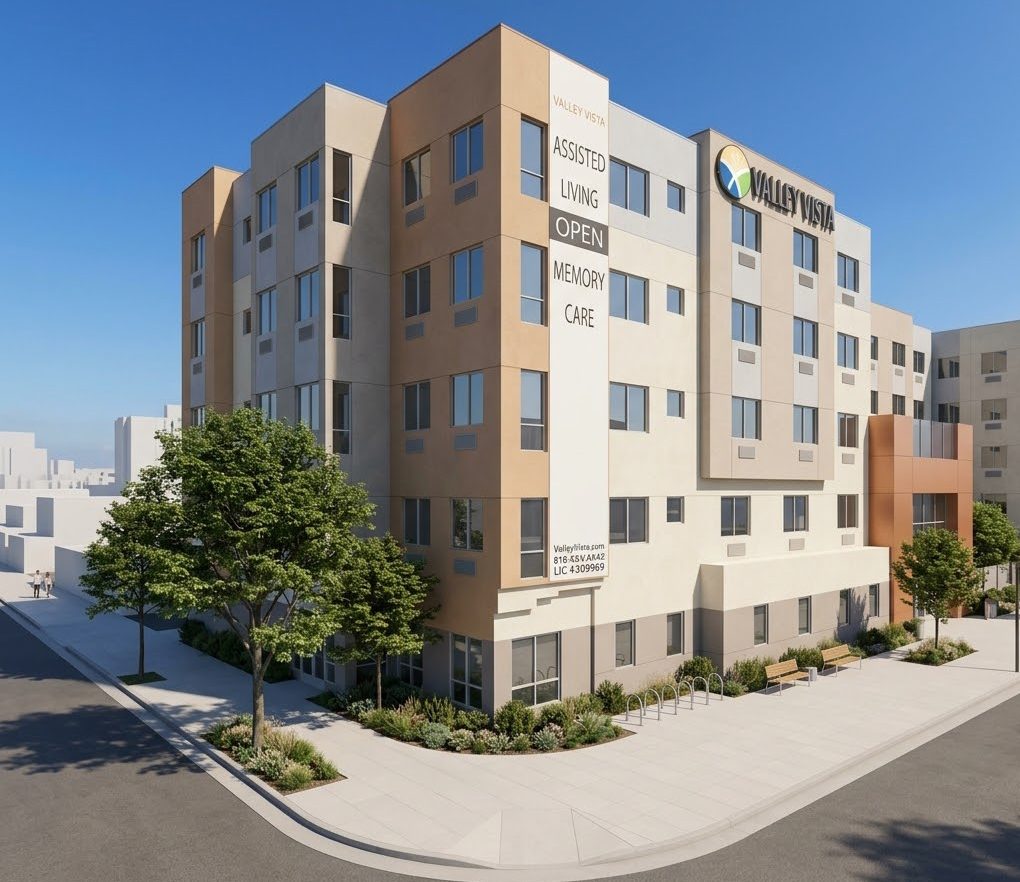
Engineous Group Inc. (EGI) has spent more than 35 years designing mechanical, electrical, plumbing, fire protection, and solar systems for exactly these projects across Los Angeles and Southern California. From our Pasadena office we have engineered multifamily communities like The Alfred and New Hampshire Apartments in Los Angeles, condominiums in Santa Monica, and senior living environments such as Valley Vista Senior Living in Van Nuys. This guide walks developers, owners, and architects through what makes housing MEP uniquely demanding here, and how thoughtful engineering keeps a project permittable, buildable, and comfortable for decades.
Why Multifamily and Senior Housing MEP Is Different in Los Angeles
A single-tenant office has one thermostat philosophy and one utility relationship. A 120-unit apartment building has 120 households with 120 sets of expectations, plus common areas, back-of-house spaces, and often ground-floor retail. Every unit needs independent comfort control, metered utilities, code-compliant ventilation, and life-safety coverage, all coordinated within a structure that also has to survive a seismic event.
Los Angeles layers additional complexity on top. Projects answer to the Los Angeles Department of Building and Safety (LADBS), to California’s Title 24 energy code, and increasingly to local building-electrification ordinances. Senior and assisted-living facilities may also fall under the jurisdiction of the California Department of Health Care Access and Information (HCAI, formerly OSHPD) depending on the level of care provided. Coordinating these authorities while keeping a housing pro forma intact is the heart of the work.
HVAC Strategies for Multifamily Comfort and Ventilation
Heating and cooling is where residents form their first, loudest opinion of a building. Good apartment MEP design starts with a deliberate choice between central and distributed systems, because that decision ripples through the electrical service, the roof, the shafts, and the maintenance budget.
Central vs. Distributed Systems
Distributed approaches, such as individual heat pumps, mini-split or VRF systems, and packaged terminal units, give each unit its own equipment and its own metered energy use, which residents and owners both appreciate. Central plants can be more efficient at scale and simplify rooftop coordination, but they demand robust risers, careful acoustic isolation, and a plan for equitably allocating energy costs. For most Los Angeles multifamily projects, EGI evaluates the trade-offs building by building rather than defaulting to a single template.
Ventilation and Indoor Air Quality
California’s energy code has steadily tightened mechanical ventilation requirements for dwelling units, and enforcement is real. Every unit needs a compliant supply of outdoor air, effective exhaust from kitchens and bathrooms, and a strategy that does not undermine the building’s energy performance. In senior housing, indoor air quality carries extra weight because residents spend more time indoors and are more sensitive to poor air. We design ventilation that meets code while keeping units quiet, draft-free, and comfortable.
Electrical Design: Metering, EV Readiness, and Standby Power
Electrical scope in housing is deceptively large. Beyond lighting and receptacles, the engineering has to resolve how power is measured, how vehicles will charge, and what happens when the grid goes dark.
Metering and Service Coordination
Most multifamily buildings use individual unit metering so residents pay for their own consumption, with separate house meters for common areas, elevators, and life-safety loads. Coordinating the metering layout, the main switchgear, and the utility service with LADWP or the serving utility early prevents expensive rework later.
EV-Charging Readiness
California’s code now requires a meaningful share of parking spaces in new multifamily construction to be EV-capable or EV-ready, with some fully installed. Building that capacity in from day one, sizing panels, conduit, and service for future demand, is far cheaper than retrofitting a occupied garage. EGI designs electrical infrastructure that satisfies current EV mandates and leaves headroom for the charging growth everyone expects.
Emergency and Standby Power
Life-safety systems, egress lighting, fire pumps, and elevators require reliable backup power. In senior and assisted-living settings the stakes rise: residents may depend on powered medical equipment, and staff need lighting and communications to manage an evacuation. Standby generators, automatic transfer switches, and, increasingly, battery storage paired with solar all factor into a resilient electrical design.
Plumbing: Hot Water, Fixtures, and the Electrification Question
Plumbing in housing is a story about hot water. Every resident expects it instantly, and delivering it efficiently to dozens of units is a genuine engineering challenge.
Domestic Hot Water Systems
Options range from central boiler plants with recirculation loops to distributed heat pump water heaters serving individual units or clusters. Central systems concentrate maintenance and can be very efficient, but they require well-designed recirculation to avoid long waits and wasted water. The right answer depends on the building’s height, layout, and energy strategy.
Fixtures and Water Efficiency
California’s water-efficiency standards dictate low-flow fixtures throughout, and affordable housing programs often add their own conservation targets. Fixture selection, pipe sizing, and pressure management all work together to keep performance high while consumption stays low.
Gas vs. Electrification
The direction of travel is clear. Under recent Title 24 cycles and a growing list of local ordinances, new multifamily buildings are being pushed toward all-electric or, at minimum, electric-ready design, with heat pump water heating replacing gas boilers. EGI engineers plumbing systems that comply with today’s electrification requirements while giving owners a defensible path if all-electric operation is the goal.
Fire Protection and Life Safety in Senior Care
Fire protection is non-negotiable in any occupied building, but senior and assisted-living environments raise the bar substantially. Residents in memory-care and assisted-living settings may not be able to self-evacuate, which changes how a building must be protected and how its life-safety systems must perform.
That reality drives more robust automatic sprinkler coverage, smoke-control provisions where required, and careful coordination with the building’s life-safety systems. Coordinating these systems with the architecture, the structure, and the mechanical design, so that sprinklers, dampers, and shafts all align, is precisely the kind of integrated work MEP engineers exist to do. At Valley Vista Senior Living, serving assisted-living and memory-care residents, life safety was central to the engineering from the first schematic.
Title 24 and Building Electrification: What Multifamily Owners Must Know
California’s 2022 Building Energy Efficiency Standards reshaped multifamily design by prioritizing heat pumps for space and water heating, expanding solar photovoltaic and battery-storage requirements, strengthening ventilation, and establishing electric-ready provisions so that any gas appliance can later be swapped for an electric one. The 2025 Energy Code, in effect for permit applications on or after January 1, 2026, pushes further in the same direction.
For owners and developers, the practical takeaways are consistent: expect solar PV on most new multifamily roofs, plan for heat pump equipment as the baseline rather than the exception, and budget conduit and panel capacity for a future all-electric conversion even where gas is still permitted. Title 24 compliance is not a box checked at the end; it is a design driver that shapes the mechanical, electrical, and plumbing systems from the outset. EGI integrates Title 24 modeling and building-electrification strategy into the design so compliance documentation and construction drawings tell the same story.
LADBS Permitting Realities
A brilliant design that cannot get through plan check is worth nothing. LADBS has its own submittal expectations, correction cycles, and coordination requirements, and housing projects, with their multiple occupancies and utility relationships, tend to attract scrutiny. Complete, coordinated MEP drawings that anticipate reviewer questions move faster than drawings that invite corrections.
Decades of LADBS experience means EGI’s documents are prepared with the local reviewer in mind: proper Title 24 forms, clear load calculations, coordinated fire-life-safety plans, and utility coordination handled early. For senior facilities that also engage HCAI, we understand how that parallel review interacts with the local process. The result is fewer surprises and a permitting path that respects the project schedule.
Senior and Assisted-Living Specific Needs
Senior housing is where redundancy, comfort, and resilience converge. As a senior housing MEP engineer Los Angeles teams rely on, EGI designs to the reality that these residents cannot simply tolerate an outage or an uncomfortable room.
- Redundancy: Critical mechanical and electrical systems are designed so that a single failure does not leave residents without heating, cooling, or power.
- Resident comfort: Quiet operation, stable temperatures, and good air quality matter more when residents are home around the clock and more sensitive to swings.
- Emergency power: Generators, transfer switches, and battery-plus-solar configurations keep life-safety systems, elevators, and essential care equipment running through an interruption.
- Accessibility integration: Electrical and controls layouts account for residents and staff with a wide range of abilities.
These priorities do not compete with efficiency and code compliance; well-executed engineering delivers all of them together.
We have worked with The Engineous Group for over 15 years on mixed-use, senior housing, student housing, OSHPD, and commercial projects. I wholeheartedly recommend them to any design firm seeking professional engineering services., Jay I. Blatter, Hochhauser Blatter Architecture and Planning
Choosing the Right Engineering Partner
Engage an MEP engineer early, when system choices still shape the architecture and the budget. A firm that knows Los Angeles multifamily and senior housing, understands Title 24 and electrification, and speaks LADBS and HCAI fluently will save time and money across the life of the project. For a broader look at what to evaluate, see our guide on how to choose an MEP engineering firm in Los Angeles, and explore our full capabilities on the MEP engineering Los Angeles hub.
Frequently Asked Questions
What does an MEP engineer do on a multifamily housing project?
An MEP engineer designs the mechanical (HVAC), electrical, plumbing, and fire-protection systems for a building, and often the solar. On a multifamily project that means unit-level comfort and ventilation, utility metering, EV-charging and standby-power infrastructure, domestic hot water, life-safety systems, and full Title 24 compliance, all coordinated with the architecture and delivered as permittable construction documents.
How does Title 24 affect apartment and senior housing design in Los Angeles?
Title 24 drives the energy strategy from day one. Recent cycles prioritize heat pumps for space and water heating, require solar PV and often battery storage on new multifamily buildings, tighten ventilation, and mandate electric-ready provisions. These requirements shape equipment selection, electrical service sizing, and plumbing design, so they must be engineered in, not added at the end.
Do senior and assisted-living facilities have different MEP requirements?
Yes. Senior, assisted-living, and memory-care facilities face heightened life-safety, redundancy, and emergency-power expectations because residents may not be able to self-evacuate and often depend on continuous power and conditioned air. Depending on the level of care, these projects may also fall under HCAI (formerly OSHPD) review in addition to LADBS.
How early should we bring EGI onto a housing project?
As early as possible, ideally during schematic design. Early engagement lets the MEP engineer influence system choices while they can still improve the budget and the architecture, coordinate with utilities before service becomes a bottleneck, and set up a smooth path through LADBS and, where applicable, HCAI review.
Talk to EGI About Your Housing Project
Engineous Group Inc. brings more than 35 years of mechanical, electrical, plumbing, fire-protection, and solar engineering to multifamily, senior, and affordable housing across Los Angeles and Southern California. To discuss your project, contact us at engineousgroup.com/contact-us or call (626) 696-3850. Our office is at 898 N. Fair Oaks Ave., Suite E, Pasadena, CA 91103, and you can reach our design team at design@engineousgroup.com.